
 DISPLAY CALENDAR

Biodiversity
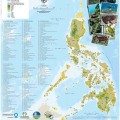
The Philippine Key Biodiversity Areas (KBAs)
Posted on February 18, 2014The Department of Environment and Natural Resources-Biodiversity Management Bureau (formerly the Protected Areas and Wildlife Bureau), teaming up with Conservation International Philippines (CI Philippines) and the Haribon Foundation, delineated terrestrial Key Biodiversity Areas (KBAs) in the Philippines in a 2006 publication entitled, “Priority Sites for Conservation in the Philippines: Key Biodiversity Areas.”
READ MORE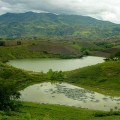
The Lay of the Land: Ecosystem Diversity in the Philippines
Posted on February 17, 2014Viewing biodiversity at the ecosystem level is a holistic way of appreciating and analyzing the natural richness of the Philippines, taking in consideration the dynamic ecological functions and interactions of both the living and the non-living parts of the biosphere within a given location, as well as the impacts of natural phenomena and human-caused environmental changes upon them.
READ MORE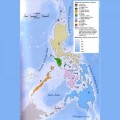
The Biogeographic Regions of the Philippines
Posted on February 18, 2014In 2002, the Department of Environment and Natural Resources-Biodiversity Management Bureau (then known as the Protected Areas and Wildlife Bureau), Conservation International Philippines (CI Philippines), and the Biodiversity Conservation Program of the University of the Philippines Center for Integrative and Development Studies (BCP-UPCIDS), with support from the FPE as well as other partners and donors convened the Philippine Biodiversity Conservation Priority-setting Program (PBCPP). A gathering of 300 scientific experts and local policy-makers in the environmental sector, the convention produced five key outputs, published in the group’s Final Report entitled Philippine Biodiversity Conservation Priorities.
READ MORE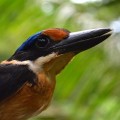
Philippine Species: A Unique and Distinct Multitude
Posted on February 18, 2014To illustrate the extent of species biodiversity, rate of endemism, and approximate number of threatened species in the Philippines (at least as far as taxonomically described species are concerned), below is an overview of the vertebrate animal species based on the most recent data published by the Department of Environment and Natural Resources-Biodiversity Management Bureau (formerly the Protected Areas and Wildlife Bureau).
READ MORE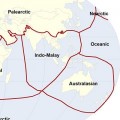
Life All Around: The Distribution of Biodiversity
Posted on February 17, 2014Because of various influential factors such as topography, climate and access to sunlight, and evolutionary processes throughout the ages, biodiversity is not equally distributed across the world. There are regions of the earth that are able to support countless life forms, while there also are places that are nearly uninhabitable.
READ MORE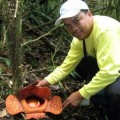
Hub of Life: Species Diversity in the Philippines
Posted on February 18, 2014Owing to its richly varied geographic features and favorable location in the tropics, the Philippines has been able to evolve and support generous numbers of plant and animal species throughout time.
READ MORE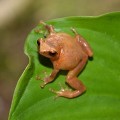
How Endemism Happens
Posted on February 18, 2014When an animal or plant species is said to be endemic to a certain location, it means that the said species is unique to that place, appearing nowhere else on the planet. Geographic isolation is a primary cause for species endemism.
READ MORE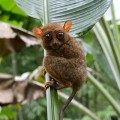
Hit List: Philippine Biodiversity Icons at Risk
Posted on February 18, 2014In a country that is teeming with life and yet ironically teetering at the brink of widespread species loss, it comes as no surprise to see that some of its most notable and iconic endemic species are also among the most threatened.
READ MORE
Consequences and Impacts of Biodiversity Loss
Posted on February 19, 2014Edward O. Wilson, author of the seminal work on the subject of biodiversity, “The Crisis of Biological Diversity” (1985), covered all the bases when he enumerated the primary consequences of loss of biodiversity in a 2010 interview with UNESCO (United Nations Educational, Scientific, and Cultural Organization) (UNESCO, 2010)
READ MORE
Challenges Facing the Campaign Against Biodiversity Loss
Posted on February 19, 2014The myriad causes of biodiversity loss (see related topics below) may be tied together by a simple fact: For a long period of time – and to a good extent, even until now – people just didn’t know any better. Being clueless to the ecological impacts of their actions, human societies consume and exploit the surrounding resources too much, too fast, while not giving back enough – if at all – to help nature regenerate and recover.
READ MORERead More:
- Devastation in Philippine Bird Paradise
- Endangered Monkey-Eating Eagle Hatches in the Philippines
- 12 'Rare and New' Species in Verde Island Passage
- Researchers Find Treasure Trove of Unique, Threatened Animals in Philippine Forest
- New Rat Species Find Sheds Light on Philippine Mammalian Diversity
- Extinction Can Spread from Predator to Predator
 Read Policy Briefs
 View Our Partners
 Access Grants MIS
 Login to Webmail